A viral moment involving Compa Theo and Los Gemelos De Sinaloa has sparked a deeper conversation about Down syndrome, online influence, and where responsibility truly lies.
Compa Theo, Los Gemelos De Sinaloa, and a Conversation the Mexican American Community Needs to Have
Who Is Compa Theo?
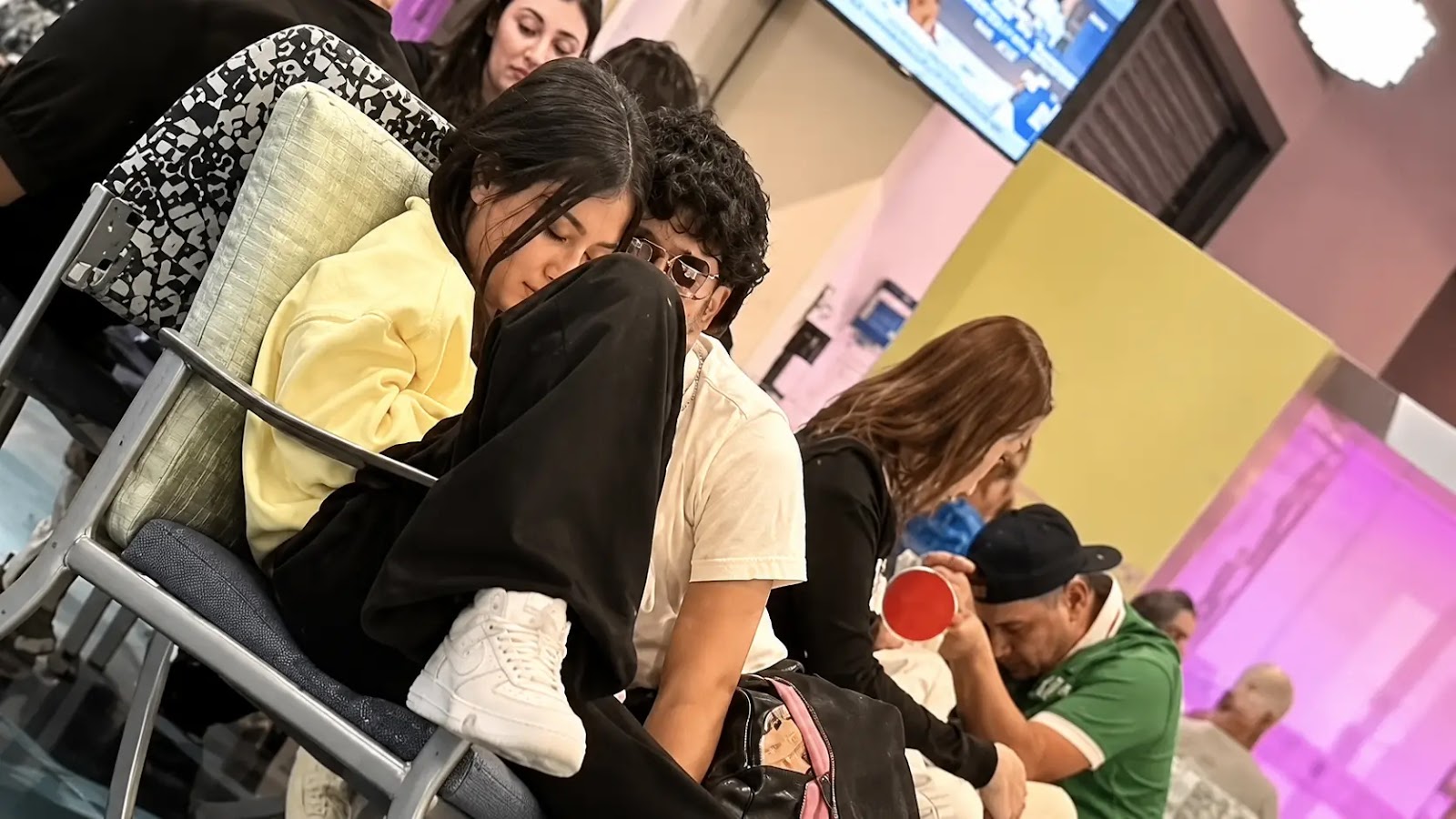
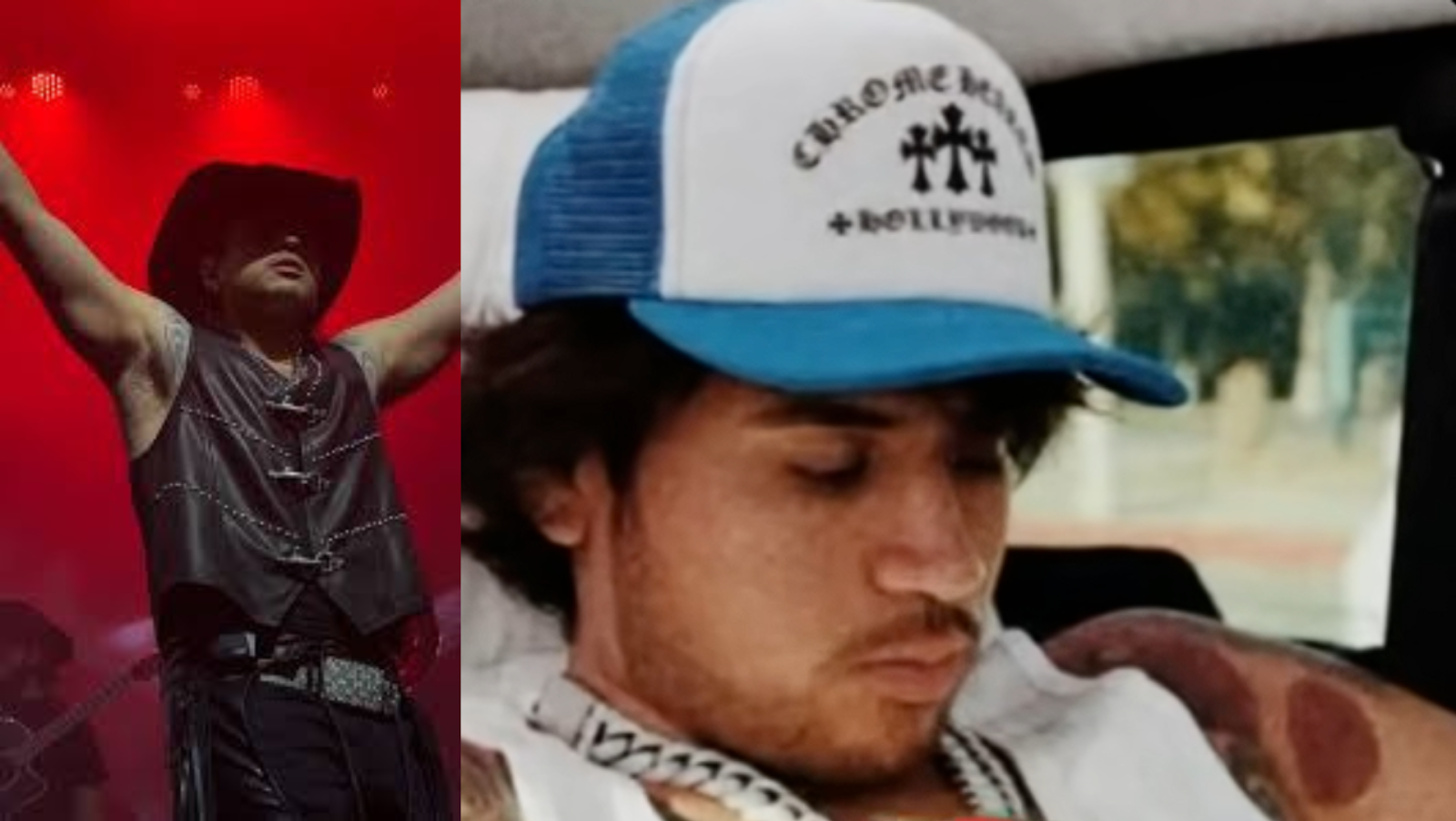
Compa Theo is a man with Down syndrome who became a recognizable figure in the Mexican American online community largely through his connection to Los Gemelos De Sinaloa, the regional Mexican duo made up of twin brothers Juan Moisés and Roberto. According to those close to the group, Juan Moisés has known Theo since he was 16 years old, and the two grew up regularly hanging out. Theo was always around, always welcome, and for a solid two to three months he was genuinely going viral on TikTok. People loved him. Then the videos surfaced, and the vibe shifted fast.
What the Videos Showed and How the Internet Reacted
Several clips began circulating online showing Compa Theo engaging in behavior that a lot of people found disturbing, including making inappropriate gestures near children and pressing a child's face into a table. Influencers like Oblivion and Flames quickly weighed in, and even one of the Gemelos brothers, Roberto, addressed it publicly. He acknowledged seeing some of the clips, said he did not believe Theo acted with full intent in every moment, but still called for Theo to come out and address it himself. Predictably, the internet did what it always does and split straight down the middle before anyone had all the facts.
Understanding Down Syndrome Without Letting Anyone Off the Hook
Here is where the conversation becomes more layered than most people want it to be. Down syndrome is not a single, fixed experience. According to the CDC, approximately 1 in every 700 babies born in the United States is born with Down syndrome, and the way the condition presents varies enormously from person to person. Some individuals need 24/7 supervision and have significant communication challenges. Others live highly independent lives. There was even a woman in Mexico who recently made headlines for graduating as a fully licensed attorney, which says everything about how wide that range actually is. One trait that does show up across many individuals with Down syndrome is difficulty with impulse control and reading social boundaries. That context matters, but it does not erase accountability. Disability can explain behavior. It does not excuse harm, and that distinction is important.
Where Does the Responsibility Actually Fall?
This is the part people keep avoiding. The real question is not just what Theo did, but who was responsible for ensuring it never happened in the first place. If someone needs supervision because of the nature of their condition, and no one around them is providing it, that is a failure on the people in that circle. Letting someone who needs support navigate fast-moving social situations without a guardrail is not inclusion. It is neglect dressed up as love. As for the theory that Los Gemelos De Sinaloa somehow taught Theo this behavior, there is no actual evidence supporting that claim. The brothers have reportedly already spoken to Theo directly and made clear that what happened was not okay. Blaming the group is simply the easiest exit, not the honest one.
What the Community Should Take Away From This
Compa Theo is not a villain, and he is also not beyond accountability. Both of those things can be true at the same time. What this situation really calls for is a serious conversation about how the Mexican American online community handles people with disabilities in spaces that move fast, record everything, and rarely stop to ask whether someone is even properly supported before the cameras start rolling. That conversation is overdue.
Credits & Sources
- Via YouTube: 44vato