The 76-year-old co-founder of the Sinaloa Cartel will die in a US prison, and prosecutors still cannot find the money.
El Mayo Zambada Sentenced to Life in Prison and Ordered to Forfeit $15 Billion
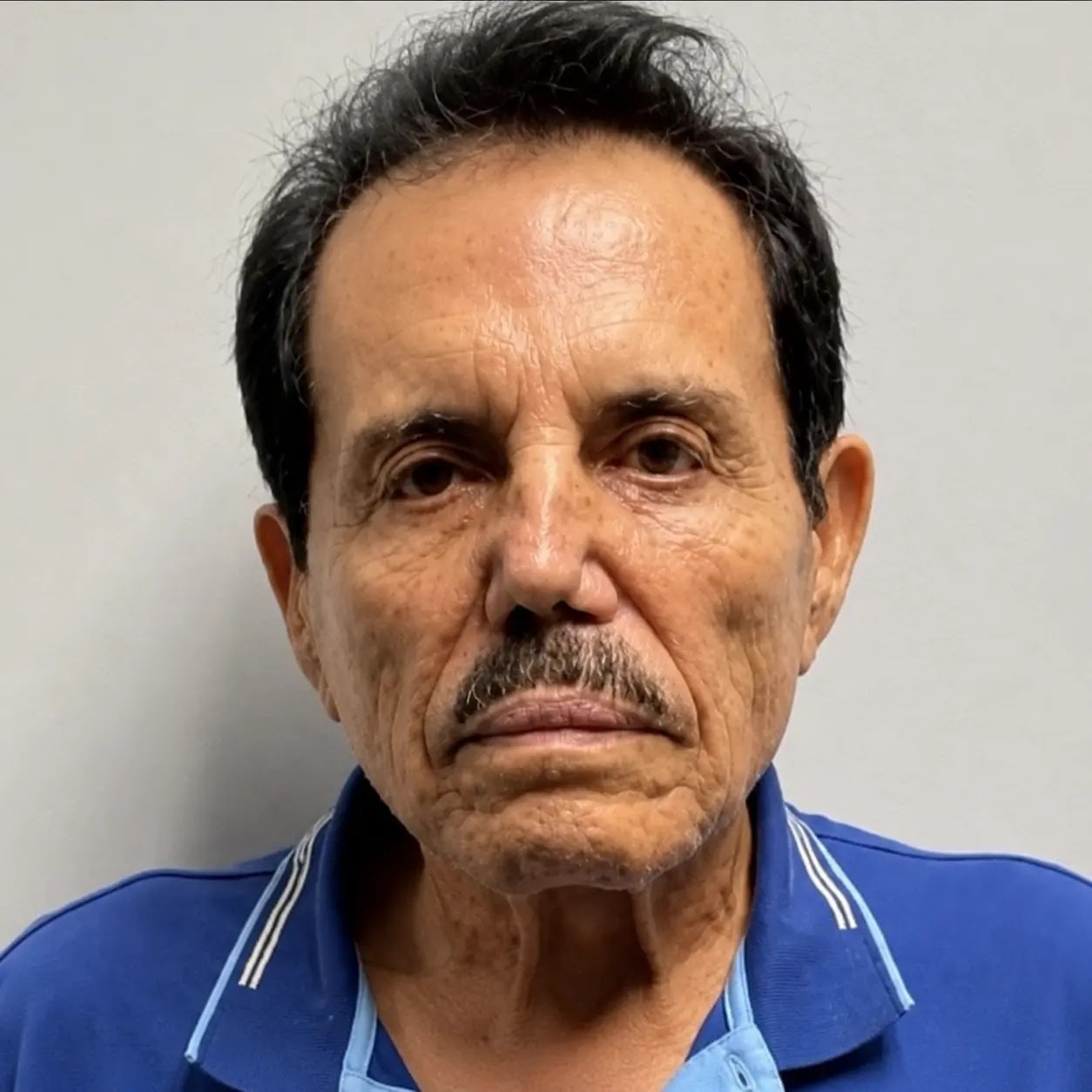
Ismael Zambada García, the 76-year-old co-founder of the Sinaloa Cartel known as El Mayo, was sentenced on Monday to life in prison without the possibility of parole. United States District Judge Brian M. Cogan handed down the sentence in federal court in Brooklyn, and the court entered a 15 billion dollar forfeiture judgment against him as part of his plea agreement. For a man who spent decades avoiding capture while others around him fell, it is a definitive ending.
How He Got Here
Zambada was arrested in July 2024 and pleaded guilty in August 2025, admitting to being a principal leader of a continuing criminal enterprise along with a racketeering charge. Prosecutors described the organization he helped build as the largest drug trafficking operation in the world. Judge Cogan noted that the life term was mandatory under the law but said he believed it was the correct punishment anyway, pointing to the almost unimaginable quantity of drugs attributable to him and the number of murders prosecutors were able to document.
What He Said in Court
Speaking through a Spanish-language translator, Zambada used his time to denounce the violence he spent a lifetime profiting from. He apologized for the harm he caused and for the example he set, and said the violence must end. In his words, no one wins in a war like this, and too many lives are lost, too many families destroyed, and too many young people trapped in a cycle that leads only to prison or death. He urged future generations to choose a different path. His attorney, Frank Pérez, said Zambada did not cooperate with the government in the typical sense and did not give up information about cartel members or Mexican officials.
The $15 Billion Nobody Can Find
The forfeiture figure is staggering on paper and largely symbolic in practice. Federal prosecutors have acknowledged they have not been able to identify or recover the bulk of those assets, which is the usual outcome in cases of this scale. The human cost is easier to measure than the money. According to the CDC, roughly seven in ten overdose deaths in the United States in recent years have involved synthetic opioids such as fentanyl, the trade that made organizations like the Sinaloa Cartel enormously powerful and enormously destructive.
The Corrido Problem
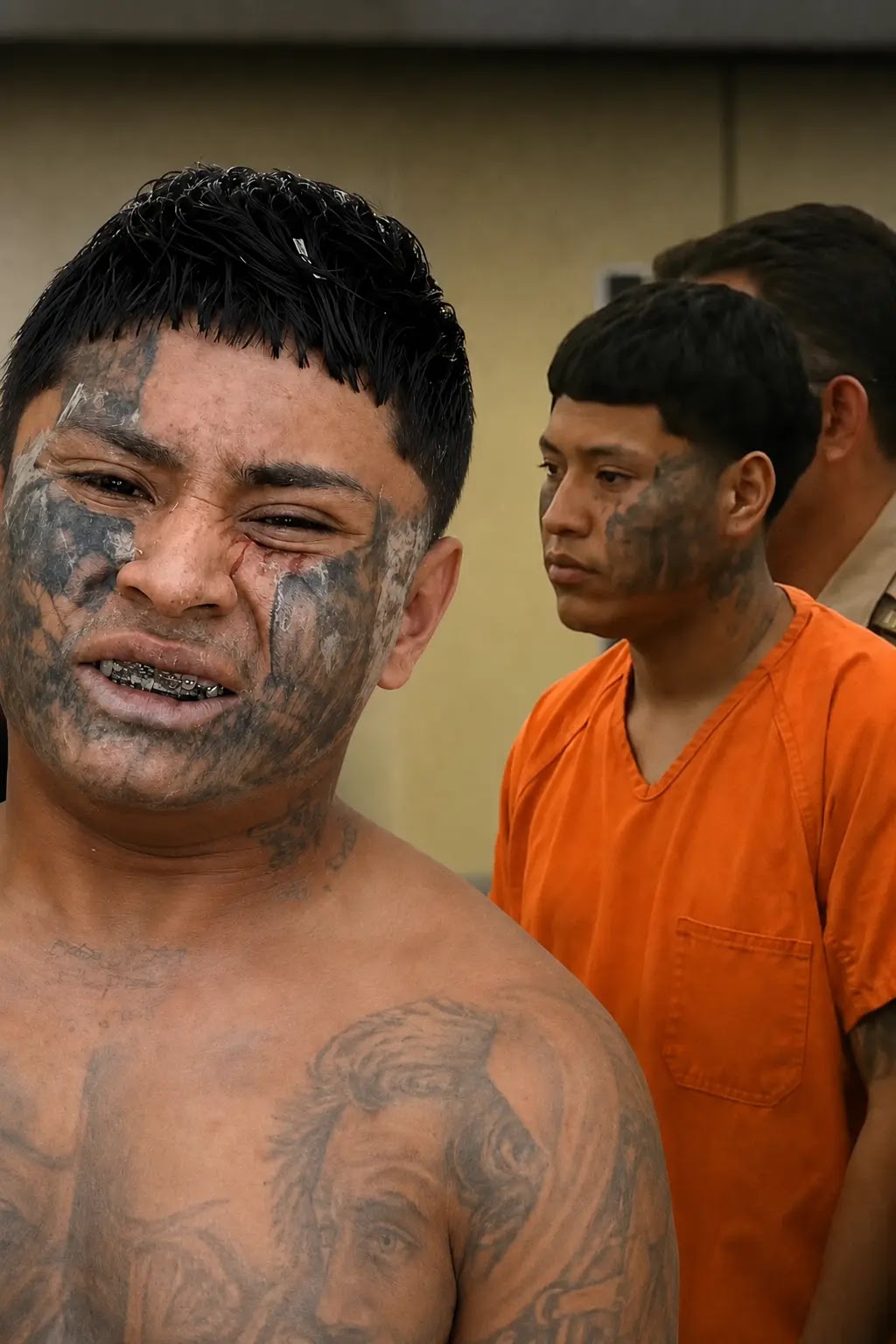
There is a cultural dimension to this that Mexican and Mexican American audiences understand better than most. Figures like El Mayo have been immortalized in corridos for decades, turned into folk heroes in music long before any courtroom got to them. Hearing the man himself tell young people that the path leads only to prison or death lands very differently than the version sung about him. Whether that message travels as far as the songs did is an open question, and it is worth noting that a man says these things at 76, in handcuffs, after the damage is already done.
What Comes Next
Reports have circulated suggesting Zambada may not be housed at the ADX Supermax facility in Colorado where Joaquín El Chapo Guzmán is serving his sentence, though his placement has not been publicly confirmed by the Bureau of Prisons. What is settled is the sentence itself. El Mayo will spend the rest of his life in an American prison, and the organization he built will continue operating without him, which is perhaps the clearest measure of how little one arrest changes.
Credits & Sources
- Via TikTok: 44vatoX