What started as a festival performance quickly turned into a larger conversation about drill culture, cultural context, and how Latin artists navigate U.S. audiences.
JOP and the Chiraq Controversy: What Really Happened at Sueños Fest
What Does "Chiraq" Even Mean and Why Does It Matter?
Before getting into the drama, it helps to understand where the word actually comes from. "Chiraq" is a mashup of "Chicago" and "Iraq," a term that came out of the South Side of Chicago during the rise of the drill music scene, largely popularized by artists like Chief Keef and Lil Bibby. For people from the neighborhoods that gave the word its meaning, it is not just slang. It carries the weight of real loss, real violence, and a chapter of the city's history that many residents still hold close. Using it casually on a big stage is the kind of thing that can rub people the wrong way fast, no matter how good the rest of the set is.
JOP at Sueños Fest: A Performance That Sparked a Real Conversation
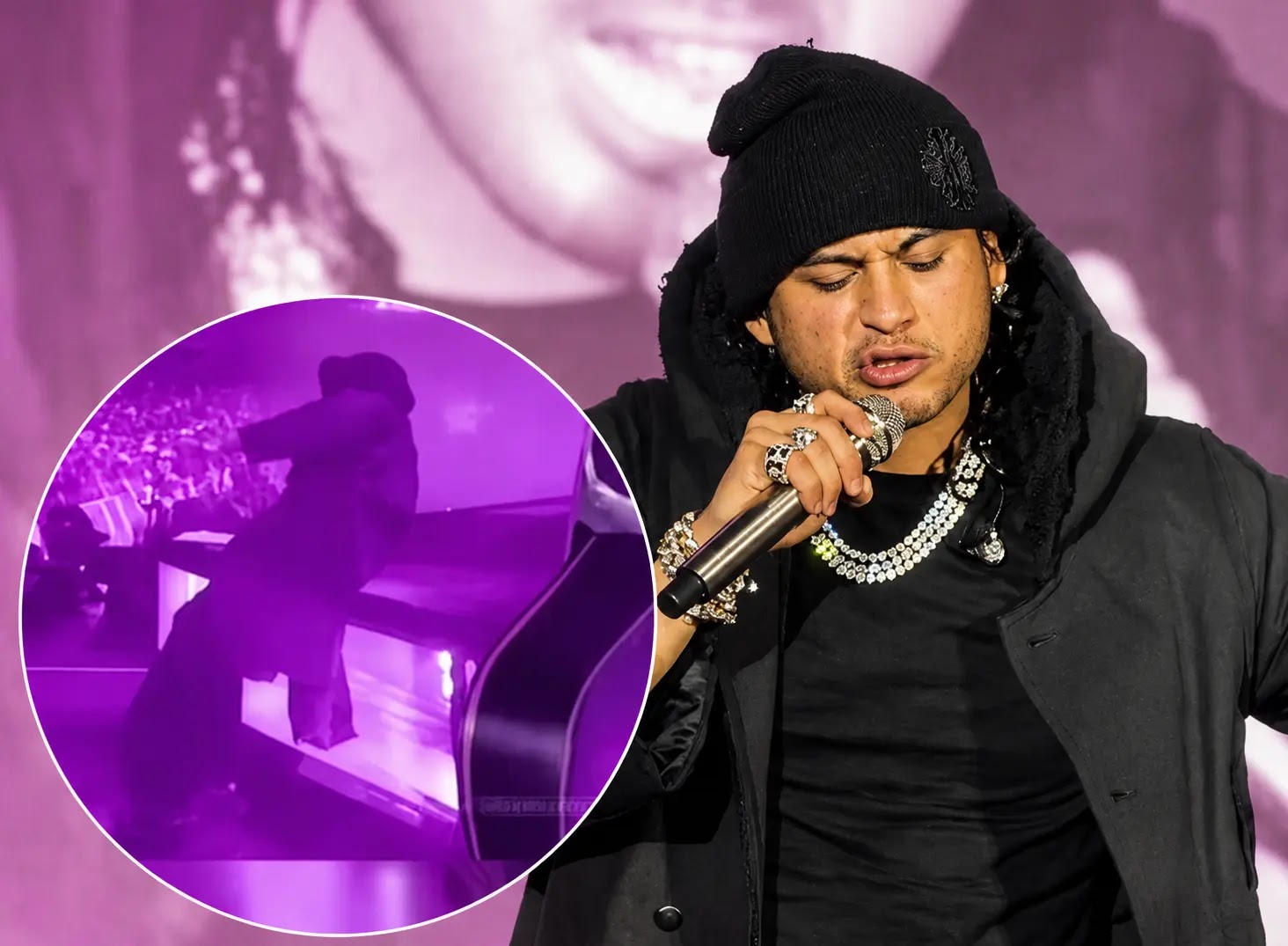
JOP is a Mexican urban rapper who has been building momentum across Latin America and among U.S. Latino audiences, known for his raw style and street-level lyricism. His slot at Sueños Fest, one of the most recognized Latin music festivals in the country, was a significant moment. Sueños Fest takes place in Chicago, a city where, according to the U.S. Census Bureau, Latinos make up nearly 29% of the total population, making it one of the most culturally significant Latino hubs in the United States. A stage like that carries real weight, and what an artist says on it tends to follow them online long after the show ends.
20 Times Was a Few Too Many
What circulated after the show was that JOP used the word "Chiraq" roughly 20 times throughout his set. For some fans in attendance, that was about 18 times too many. (Which, to be fair, is a very specific complaint, but also not entirely off base.) The pushback was direct: he had other options right there waiting for him. Chi-Town, Windy City, or just plain Chicago would have brought the same energy without raising any flags. Nobody was asking him to write a geography essay on stage, just to maybe mix it up a little.
Is JOP Actually to Blame for This?
This is where it gets more layered. JOP, like a lot of artists who came up in Mexico, grew up listening to Chicago drill music. Chief Keef's reach did not stop at the border. If anything, his influence spread faster and louder going south, all the way from Monterrey to Guadalajara. So when JOP says "Chiraq," it most likely comes from a genuine place of love for the music and culture that shaped him, not from any intent to disrespect the city. But there is a real difference between loving a culture and understanding every layer that comes with it. Chicago fans were not wrong for feeling a certain way, and JOP was not wrong for being influenced by drill music. Both things can be true at the same time.
What This Moment Says About Latin Artists in U.S. Markets
What this situation really points to is something the Latin music world is navigating more and more as Mexican and Latin artists cross into U.S. spaces and perform for audiences that are diverse even within Latino culture itself. Reading the room is part of the job now. A crowd in Chicago is not the same as a crowd in Mexico City or Houston, and the same words do not always land the same way depending on who is standing in front of you. Cultural respect is not just about good intentions. It is also about awareness, and that is something every artist performing in spaces like Sueños Fest should be thinking about before they step on stage.
Credits & Sources
- Via TikTok: 44vatoX