The corridos debate is growing louder as fans and artists react to Junior H’s uncomfortable on-stage moment and the larger question of whether Mexico is pressuring the genre into silence.
Junior H, Diego Millan, and the Battle Over Corrido Freedom in Mexico
The Moment That Put the Whole Industry on Edge
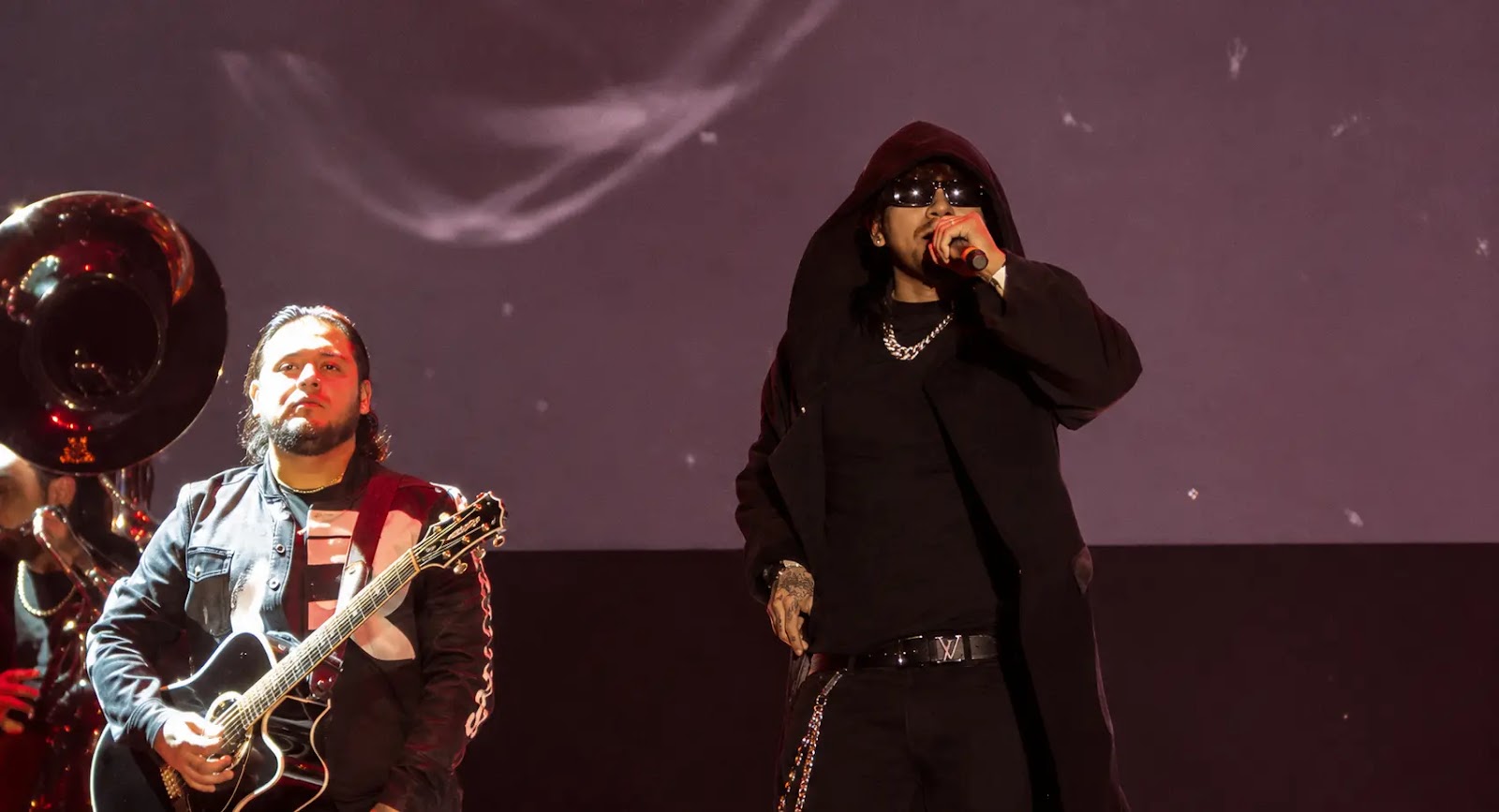
When Junior H appeared on stage alongside President Claudia Sheinbaum and announced he was stepping away from corridos, nobody believed it was his idea. The body language said everything the words did not. This was not the same artist who built an international fanbase through raw, honest storytelling. Fans and fellow artists called it out almost immediately, and the industry response has been anything but quiet. Junior H, born Jose Enrique Tostado Guzman in Sinaloa, is one of the defining voices of the corridos tumbados movement, an artist who helped push the genre into a new era and introduced it to millions of listeners worldwide. Moments like this carry weight precisely because of who he is.
Diego Millan of Calle 24 Speaks Out
Diego Millan from Calle 24 was one of the first in the industry to put his reaction into words publicly. His message was clear: little by little, artists in Mexico are losing their voices and their freedom of expression. He was not just talking about one night on a stage. He was speaking to a growing pattern where the government increasingly treats culture as something to be managed rather than protected. The frustration was real, and a lot of people across the scene shared it.
Corridos Have Always Been More Than Entertainment
Corridos have been part of Mexican life since the Revolution, when ordinary people used music to document war, loss, and survival. That tradition of honest, unflinching storytelling has never gone away. Today's corridos tumbados carry it forward with modern production and a global audience that reflects just how universal those themes remain. According to a 2023 report by Luminate, Regional Mexican music saw a 26.2% increase in on-demand audio streams in the United States, making it one of the fastest-growing genres across all demographics. That is not a niche audience, and silencing the artists behind that movement does not erase the stories they tell.
The Wrong Target
The argument being made across the industry is straightforward: artists are not responsible for the actions of criminals. Blaming Junior H for violence in Mexico is about as logical as blaming your neighborhood taquero for traffic. The music reflects reality; it does not manufacture it. Whatever President Sheinbaum's administration intends to accomplish, going after corrido artists while the root causes of violence go unaddressed is not a strategy most people would defend with a straight face.
What This Means Going Forward
The bigger concern is the precedent being set. If an artist with the platform of Junior H can be publicly pressured into walking away from the music that built his career, what does that signal to younger artists still trying to make their way in Mexico? Creative freedom and government overreach should not be in the same sentence, but right now they are, and the entire corrido world is watching closely to see what comes next.
Credits & Sources
- Via TikTok: 44vatoX
- Via Billboard: Griselda Flore