A cosmetic transformation turned into a bigger conversation about influencer culture, beauty standards, and the pressure to please online audiences.
Wendy Ortiz's Mommy Makeover Sparks a Real Conversation About Beauty Standards and Social Media Pressure
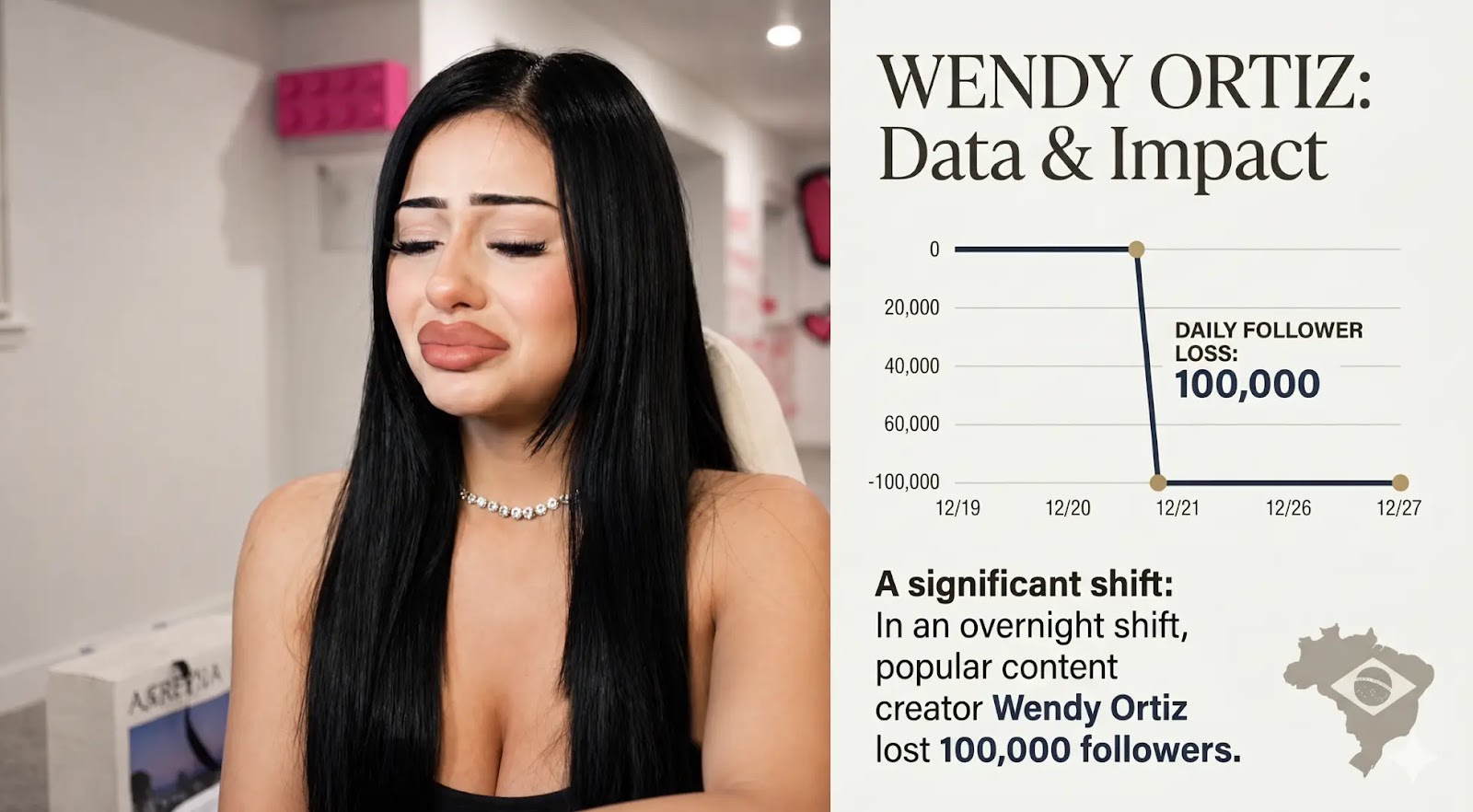
Wendy Ortiz is a Mexican content creator and social media influencer who built her audience through genuine personality and relatable content. She developed a strong following across platforms and became one of the more recognizable faces in the Spanish-language digital space. So when it came out that she had undergone a mommy makeover that reportedly included a BBL, a tummy tuck, and a breast lift, the internet had plenty to say. Some people voiced support, others voiced concern, and a few found themselves somewhere in the middle trying to figure out how to feel about it all.
The conversation that followed goes deeper than just one person's cosmetic choices. What makes this situation worth paying attention to is the reasoning behind it. By many accounts, Wendy Ortiz did not pursue this procedure purely for herself. The outside noise from fans who constantly commented on her body played a major role. That dynamic is something a lot of women in the public eye deal with, and it raises a real question about who cosmetic surgery is actually for when someone lives their life in front of a camera. If the internet tears you apart for looking natural and then turns around to call you fake after surgery, the goalposts were never meant to be reached in the first place. That is not a body image issue, that is a social media issue.
Fellow influencer Tiana Musarra also weighed in, saying cosmetic procedures should never be anyone's first option. That is a fair point in theory, though the conversation gets a little complicated when you factor in that Tiana has also had work done on her face. It is hard to stand fully behind that take when your own choices tell a different story. None of that cancels her opinion out entirely, but it is the kind of contradiction that people notice. Cosmetic surgery conversations in the influencer world are rarely coming from a clean, neutral place, and that is worth acknowledging. At least she chimed in from somewhere, unlike half the people typing paragraphs in the comments who have never been scrutinized by millions of strangers online. Must be nice, honestly.
What sits at the center of all this is something Mexican and Mexican American communities have wrestled with for generations, specifically the idea that a woman's body is public property the moment she steps into any kind of spotlight. Telenovelas and mainstream Latin media spent decades selling one type of body as the ideal, and social media has only turbocharged that pressure. According to a study published by the American Psychological Association, girls and young women who are frequently exposed to social media content focused on appearance are significantly more likely to report body dissatisfaction and consider cosmetic interventions. That is not a small thing when you consider how many young girls are watching influencers like Wendy Ortiz every day. At the end of the day, she is an adult who can make her own decisions about her body, and that deserves respect. But the culture that pushed her toward that table is the part of this conversation that actually needs some work.