A viral freestyle about gang life sparks a bigger conversation about parenting, influence, and who is really responsible for guiding kids before the internet gets to them.
When the Hood Speaks Up: Lucky Suntzu, Lil JR, and the Parenting Conversation We Keep Avoiding
Who Is Lucky Suntzu and Why Does His Opinion Matter?
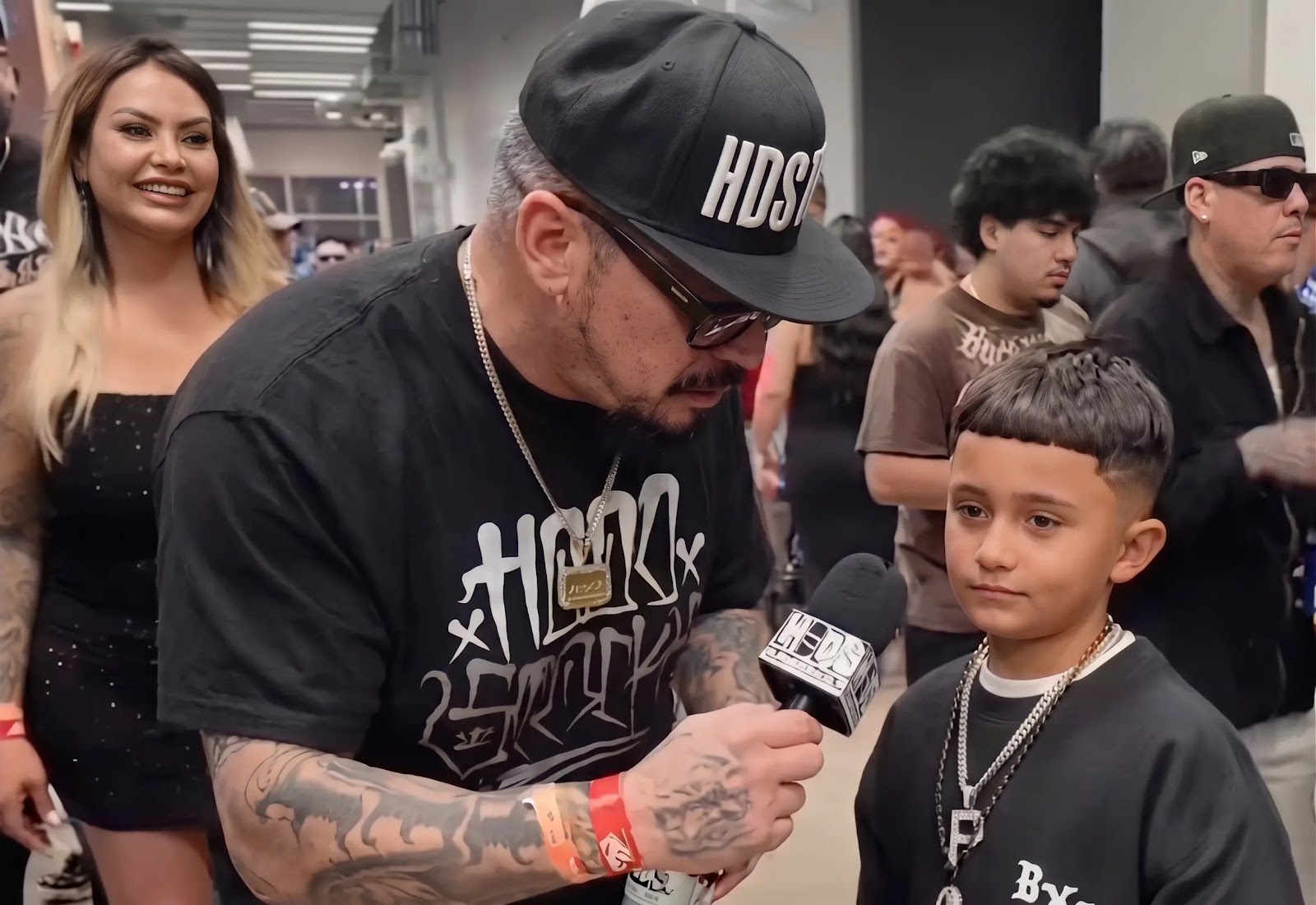
Lucky Suntzu is the creator behind Hood Stocks, a platform centered on financial literacy and street-to-success stories aimed at communities that did not grow up with access to that kind of knowledge. What separates him from the average social media voice is credibility. He did not learn about the struggle through a documentary. He lived it, found a way out through education and entrepreneurship, and has spent years trying to pass that blueprint on. That background is exactly why people pay attention when he speaks, and why his words to a young kid named Lil JR carried real weight.
A Freestyle That Raised More Than a Few Red Flags
Lil JR is a young boy who appeared on a podcast and decided to rap. His freestyle was not about school, growing up, or anything you would expect from a kid his age. He rapped about gangs, claiming a set, sliding on people, and putting rivals in graves. These are not new themes in hip-hop, but hearing them come from a child during what was supposed to be a casual interview is a different experience entirely. What made the clip circulate even faster was the detail that his father was reportedly in the room the entire time. You would think someone sitting right there would have stepped in at some point, but that conversation apparently had to happen on the internet instead.
Lucky Suntzu's Response and Why It Landed the Way It Did
Lucky Suntzu did not come at Lil JR sideways. He acknowledged the kid's confidence, gave him credit for getting in front of the mic, and then was straight with him about the content. He told him to ease up on the lyrics, pick up a book, and start thinking beyond what is directly in front of him on the block. That kind of redirect from someone who came from that same environment hits differently than advice from someone who has never been near it. It was not a lecture from the outside looking in. It was real talk from someone who already walked that road.
The Bigger Issue: Who Is Actually Watching These Kids?
This is where the conversation gets uncomfortable and needs to stay there for a minute. Lucky stepping in is appreciated, but it was never supposed to be his job. In Mexican American households, there has always been this understanding that the wider community plays a role in raising children. The issue is that communal accountability only works when parents are leading the charge first. According to the American Psychological Association, children who are regularly exposed to violent or aggressive content in music show measurable increases in aggressive thoughts and desensitization to real-world violence over time. That is not an attack on rap as a genre. It is a reminder that what young kids absorb at home matters, and someone needs to be filtering it before an influencer has to.
The Bottom Line
Lil JR is a kid who raps about what he sees and hears every day because no one close to him has shown him there is more to talk about. Lucky Suntzu modeled what it looks like to correct without crushing, and that is genuinely worth recognizing. But the long-term goal should be parents stepping into that role before a podcaster or content creator has to pick up the slack. The conversation is worth having. What comes after it matters even more.
Credits & Sources
- Via TikTok: 44vatoX