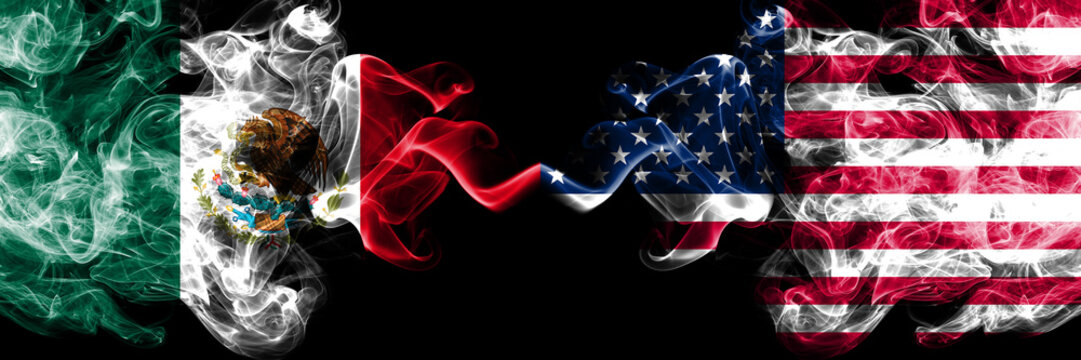
What started as another social media argument quickly evolved into a larger cultural conversation about heritage, history, language, and the complicated relationship between Mexicans and Mexican Americans online.
The Word "Pocho" Is Trending Again and the Mexican Community Is Divided Over It
What Started the Pocho Debate This Time?
The argument is not new, but it erupted online again with enough force to pull thousands of likes and reactions almost overnight. The core question sounds simple on the surface: are people of Mexican descent who were born and raised in the United States actually Mexican, or are they something else entirely? A growing number of voices online are pushing the idea that the proper label for these individuals is "pocho," and that the title of "Mexican" should be reserved for those born in Mexico. What could have been a thoughtful conversation about identity quickly turned into a comment section war, with both sides convinced they are right.
What Does Pocho Actually Mean?
For those unfamiliar, the word "pocho" carries a complicated history that goes back generations. It traditionally refers to someone of Mexican heritage who grew up in the United States and adopted American culture, sometimes at the cost of Spanish fluency or a close connection to Mexican traditions. The word can be affectionate or dismissive depending entirely on who is using it and why. Some Mexican Americans have reclaimed it as their own, others refuse it outright. Then there is "Chicano," a term rooted in the civil rights movement that many prefer as a proud political and cultural identity. None of these labels sit the same way with everyone, which is exactly why this conversation never fully closes.
The History That Online Arguments Always Skip
Here is the part that tends to disappear in Twitter threads and TikTok debates: a large portion of what is now the United States was once Mexican territory. From California to Texas to New Mexico, entire communities existed under Mexican governance before the Treaty of Guadalupe Hidalgo in 1848 redrew the map. Some families did not move to America. The border moved to them. Calling someone born in East Los Angeles or San Antonio something less than Mexican erases a layered history that cannot be reduced to a birth certificate. One person online even joked that whoever keeps starting these arguments must be a CIA agent getting paid to stir up conflict between Mexicans and Mexican Americans. Honestly, given how consistently these debates go viral right on schedule, it is not the craziest theory.
The Numbers Behind the Identity
According to the Pew Research Center, roughly 62% of U.S. Latinos are native-born American citizens, with Mexican Americans making up the largest share of that population. That represents tens of millions of people whose cultural identity is being debated in real time by strangers online. Whether they call themselves Mexican, Mexican American, Chicano, or pocho, their lived experience and cultural roots do not disappear because of where they were born.
Mexicanos Are Mexicanos
The division being pushed through these online conversations benefits nobody within the community. Mexican Americans grew up eating the same food, celebrating the same traditions, and carrying the same pride. The attempt to create a hierarchy between Mexicans born in Mexico and those born in the U.S. is a distraction from a much bigger picture. At the end of the day, the culture travels. It always has, and a tweet is not going to change that.